Indoor Cat Enrichment: DIY Toys, Routines & Home Setup
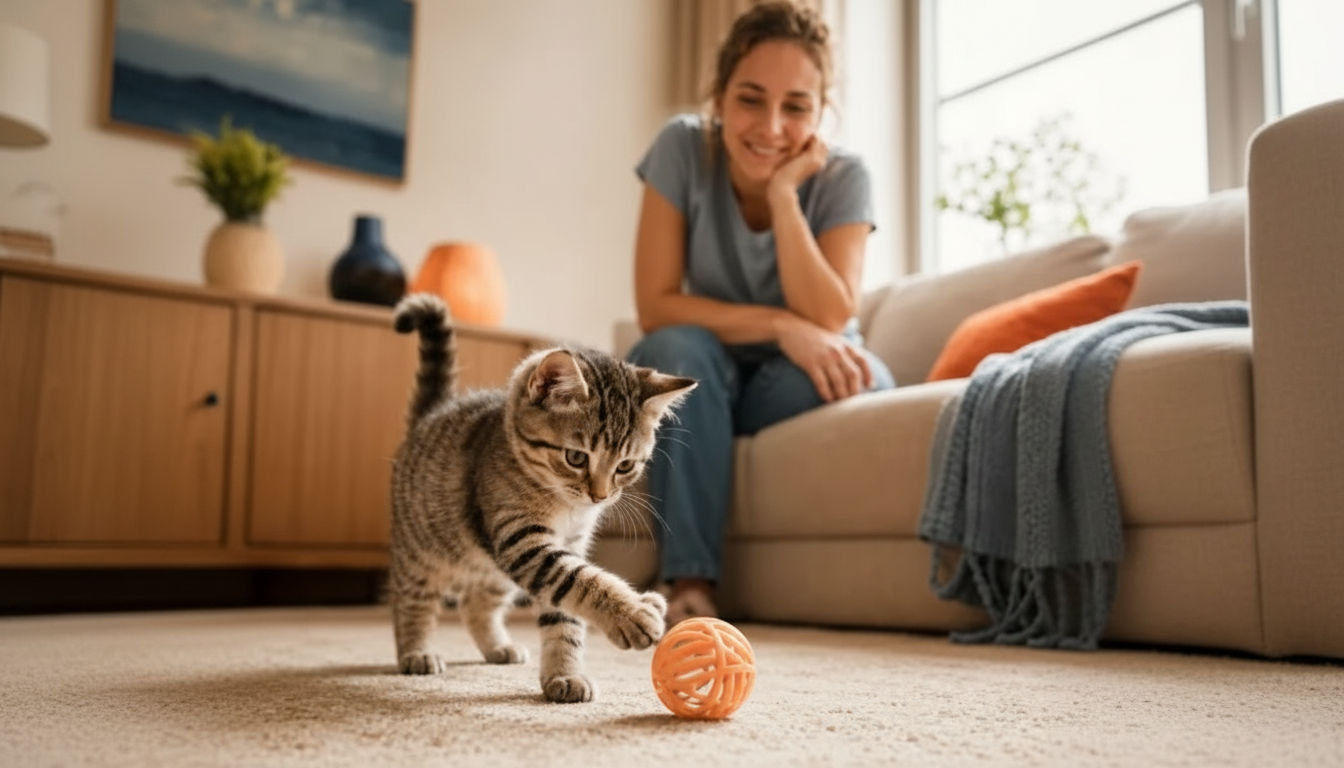
Enrichment Ideas for Indoor Cats: DIY Toys, Play Routines, and Cat-Friendly Home Tips
Indoor cats do best when their day has a little purpose: a chance to “hunt,” climb, scratch, solve small problems, and then fully relax. When those needs are met, many common frustration behaviors (late-night chaos, ankle attacks, constant begging, or furniture scratching) often fade because your cat finally has an appropriate outlet. The good news: a handful of simple changes—rotating toys, adding vertical territory, and building short play routines around meals—can support healthier weight, better sleep, and a more confident, content cat.
What indoor cats need for a fulfilled day
- Hunt–catch–eat–groom–sleep rhythm: Schedule active play before meals to mimic natural patterns and encourage deeper rest afterward.
- Vertical territory: Climbing and perching increase movement and can reduce stress, especially in multi-pet homes.
- Scratch outlets: Provide multiple scratching stations (tall, stable, and varied textures) to protect furniture and allow scent-marking.
- Problem-solving: Puzzle feeders and foraging games turn mealtime into a confidence-building activity instead of a quick gulp.
- Choice and control: Offer options—beds, perches, and hiding spots—so your cat can decide where to rest and observe.
For deeper guidance on environmental needs and stress reduction, review the American Association of Feline Practitioners (AAFP) Feline Environmental Needs Guidelines.
Signs a cat needs more enrichment (and what they often mean)
- Night-time zoomies: Daytime play may be too short, too gentle, or scheduled too early. Add a higher-energy session closer to dinner.
- Overgrooming or excessive vocalizing: Stress, boredom, or inconsistent routines can contribute—medical causes should be ruled out if this is new or escalating.
- Pouncing on ankles: Hunting drive is being redirected to people. Increase wand-toy sessions and add a safe kicker toy for “wrestling.”
- Scratching furniture: The scratch post may be too short, wobbly, or placed away from social areas. Put one near favorite hangouts.
- Food obsession or begging: Try measured meals, puzzle feeding, and timed play right before feeding to shift focus into “work for food.”
Quick-win setup: a cat-friendly home in small spaces
- Create three zones: a play zone (open floor), a calm zone (bed/hide), and an observation zone (window perch).
- Add vertical routes: a cat tree, sturdy shelves, or “step” surfaces that let your cat travel room-to-room without staying on the floor.
- Window enrichment: a suction window perch and a safe outdoor view. If adding a bird feeder, place it at a safe distance to reduce frustration.
- Safe scents and textures: rotate cat-safe herbs (catnip, silver vine, valerian) and keep a couple of cardboard boxes in circulation.
- Reduce stress triggers: keep feeding and litter areas quiet and consistent; avoid sudden changes to locations and timing.
More practical home enrichment ideas can be found through International Cat Care and the ASPCA cat enrichment resources.
DIY toys and low-cost enrichment you can make today
- Sock kicker: Fill a clean sock with fabric scraps, tie securely, and offer it for bunny-kicking. Supervise if you add any strings.
- Paper-bag hide-and-seek: Remove handles, add crumpled paper, and let your cat explore the sound and texture.
- Cardboard “forage box”: Put paper balls and a few treats in a box so your cat can dig and “hunt” them out.
- Toilet-paper-roll treat puzzle: Fold the ends, poke small holes, add kibble, and adjust difficulty by hole size.
- Ice “treat puck”: Freeze small wet-food portions and offer on a washable mat for slow licking enrichment.
- Toy rotation system: Keep about 70% of toys stored; swap weekly so the “new” items feel novel again.
Daily play routines that fit real schedules
Sample enrichment schedule (adjust to energy level and age)
| Time of day | Enrichment activity | Duration | Goal |
|---|---|---|---|
| Morning | Wand-toy hunt + small breakfast | 7–10 min | Movement, mental focus, calmer daytime |
| Midday | Forage box or puzzle feeder | 5–15 min | Problem-solving, slow eating |
| Late afternoon | Clicker/target training + treat | 3–5 min | Confidence, communication, routine |
| Evening | High-energy chase session + dinner | 10–12 min | Burn energy, reduce night waking |
| Before bed | Calm enrichment (lick mat, brushing, cuddle spot) | 5–10 min | Downshift, soothe, settle |
Enrichment for different life stages and needs
Safety and troubleshooting
A printable guide to keep routines consistent
Consistency is what makes enrichment “stick.” A simple weekly checklist helps track play sessions, puzzle days, and toy rotations so everyone in the household follows the same rhythm. For a ready-to-use routine and toy “menu,” see Printable Cat Enrichment Guide: DIY Toys, Play Routines, and Home Tips.
If a habit tracker helps keep timing steady, a general planning printable can also support routines: Goal-Setting Guide for Real Results – Printable Goal Planner, SMART Goals Workbook & Productivity Template for Achievable Success.
And for a small cat-themed accessory, Lucky Cat Magnetic Car Phone Holder makes an easy gift for fellow cat lovers.
FAQ
How much play does an indoor cat need each day?
Many indoor cats do well with about 15–30 minutes total daily play split into short sessions, with more for high-energy cats and less for seniors. Pairing play right before meals often improves satisfaction and helps reduce late-night restlessness.
What are easy enrichment ideas when there isn’t much space?
Focus on vertical space (cat tree or shelves), a window perch for observation, and toy rotation to keep novelty high. Puzzle feeding and small DIY options like a forage box or treat roll add mental work without needing extra floor space.
Are DIY cat toys safe?
They can be, as long as you avoid hazards like strings, elastics, small detachable parts, staples, and toxic glues. Supervise new DIY toys, discard anything that frays or breaks, and choose sturdy materials that can’t be swallowed.











Leave a comment